

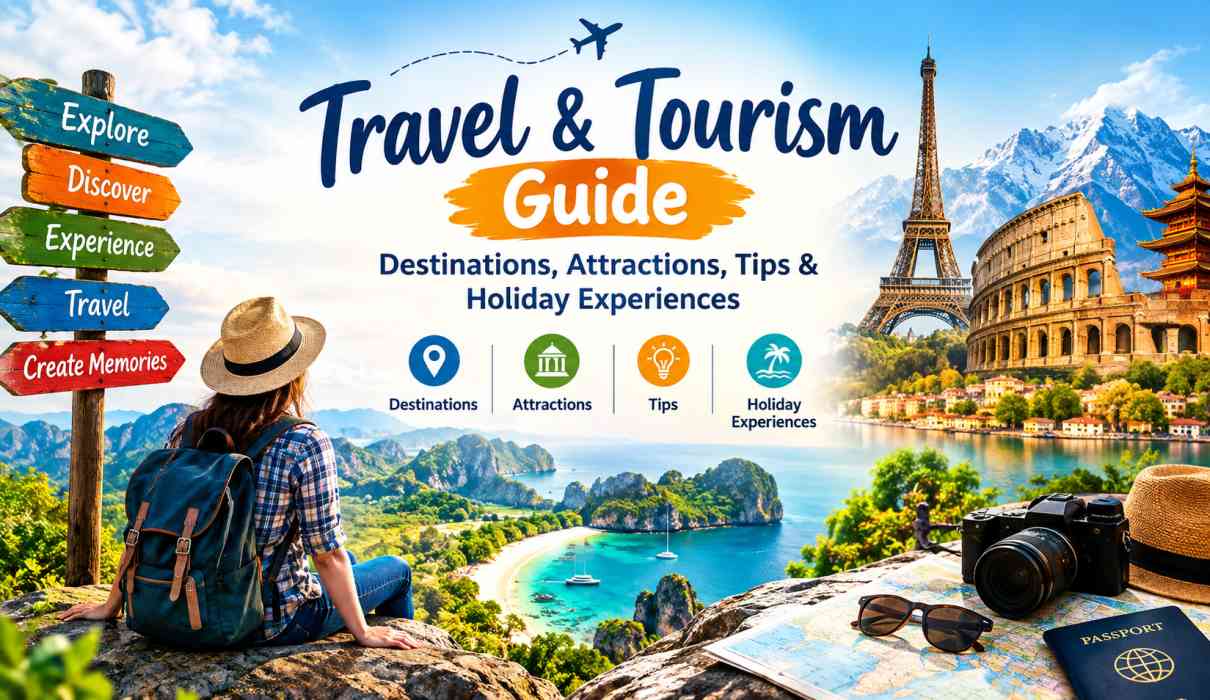
Travel & Tourism Guide: Destinations, Attractions, Tips & Holiday Experiences
Travel has become more than simply moving from one destination to another. It is an opportunity to discover new cultures, experience different landscapes, taste unfamiliar cuisines, meet people, and create lasting memories. Whether you are planning a relaxing beach vacation, an adventurous mountain trip, a cultural journey, or a family holiday, good travel planning can make the entire experience smoother and more enjoyable.
A comprehensive travel and tourism guide helps travelers make informed decisions about destinations, attractions, accommodation, transportation, budgets, activities, and safety. With so many places to explore around the world, choosing the right destination and planning an itinerary that matches your interests can sometimes feel overwhelming.
This guide explores important aspects of travel and tourism, including popular destinations, must-see attractions, practical travel tips, holiday planning ideas, and ways to make every journey more meaningful.
Understanding Travel and Tourism
Travel refers to the movement of people from one location to another for leisure, business, exploration, education, or other purposes. Tourism specifically focuses on traveling to destinations outside one’s usual environment, often for holidays, recreation, cultural experiences, or sightseeing.
The tourism industry includes a wide range of services and experiences, such as hotels, resorts, airlines, restaurants, tour operators, transportation companies, travel agencies, attractions, museums, adventure activities, and cultural events.
Modern travelers have more choices than ever before. Online booking platforms, travel blogs, digital maps, mobile applications, and social media have made it easier to research destinations and organize trips independently.
Choosing the Right Travel Destination
Selecting a destination is one of the most important parts of holiday planning. The ideal destination depends on your interests, budget, available time, travel companions, and preferred type of experience.
Beach Destinations
Beach holidays are perfect for travelers looking for relaxation, sunshine, water activities, and scenic coastal views. Destinations such as Bali, the Maldives, Phuket, Mauritius, Goa, and the Mediterranean coast are popular among beach lovers.
A beach vacation can include swimming, snorkeling, diving, boating, surfing, island tours, seafood experiences, or simply relaxing by the water.
Mountain Destinations
Mountain destinations attract travelers who enjoy nature, adventure, photography, hiking, and cooler climates. The Himalayas, Swiss Alps, Canadian Rockies, New Zealand’s Southern Alps, and various mountain regions across Europe and Asia offer spectacular landscapes.
Mountain tourism can include trekking, camping, skiing, cable-car rides, wildlife viewing, and visits to traditional villages.
Cultural Destinations
For travelers interested in history, architecture, art, traditions, and local lifestyles, cultural destinations offer unforgettable experiences. Cities such as Rome, Kyoto, Istanbul, Paris, Jaipur, Varanasi, and Cairo showcase centuries of history and cultural heritage.
Visiting museums, historical monuments, religious sites, markets, festivals, and traditional neighborhoods can provide deeper insight into a destination.
Adventure Destinations
Adventure tourism has become increasingly popular among travelers seeking exciting experiences. Activities may include trekking, rafting, zip-lining, scuba diving, paragliding, mountain biking, desert safaris, and wildlife expeditions.
Adventure trips should always be planned with appropriate safety measures, qualified guides, suitable equipment, and awareness of local conditions.
Exploring Popular Tourist Attractions
Tourist attractions are an important part of any travel experience. They may include natural landmarks, historical monuments, museums, theme parks, beaches, national parks, cultural centers, and architectural wonders.
Before visiting major attractions, travelers should check opening hours, ticket requirements, seasonal restrictions, dress codes, and photography rules. Popular sites can become crowded during peak seasons, so visiting early in the day or booking tickets in advance can often provide a better experience.
Natural attractions are equally important. Waterfalls, mountains, forests, deserts, lakes, coral reefs, and national parks allow visitors to connect with nature while enjoying outdoor activities.
However, responsible tourism is essential. Travelers should avoid littering, respect wildlife, follow park regulations, and minimize their environmental impact.
Planning a Successful Holiday
A well-organized itinerary can save time and reduce unnecessary stress. Start by determining the length of your trip and identifying the experiences you consider most important.
For example, a five-day trip might include:
- Day 1: Arrival and local sightseeing
- Day 2: Major tourist attractions
- Day 3: Cultural experiences and local food
- Day 4: Outdoor activities or a day trip
- Day 5: Shopping, relaxation, and departure
Avoid filling every hour with activities. Leaving some free time allows travelers to rest, explore independently, or deal with unexpected changes.
When planning multiple destinations, consider travel time between locations. An itinerary that looks attractive on paper may become exhausting if it requires frequent long-distance journeys.
Creating a Travel Budget
Budget planning is another essential part of travel. The total cost of a holiday can include transportation, accommodation, food, attraction tickets, activities, travel insurance, shopping, local transportation, and emergency expenses.
A simple travel budget can be divided into several categories:
Transportation: Flights, trains, buses, taxis, rental cars, and local travel.
Accommodation: Hotels, resorts, hostels, guesthouses, or vacation rentals.
Food: Restaurants, cafés, local markets, snacks, and beverages.
Activities: Tours, entrance fees, adventure sports, museums, and entertainment.
Shopping: Souvenirs, clothing, local products, and gifts.
Emergency Fund: Additional money for unexpected expenses.
Travelers can reduce costs by comparing transportation options, booking accommodation early, traveling during shoulder seasons, choosing local restaurants, and prioritizing free or low-cost attractions.
Choosing Accommodation
Accommodation can significantly influence the quality of a holiday. Travelers should consider location, price, facilities, reviews, accessibility, safety, and transportation connections.
Hotels may provide convenience and additional services, while hostels can be suitable for budget travelers and social experiences. Resorts are popular for relaxing holidays because they often combine accommodation, dining, recreation, and entertainment.
Vacation rentals may provide additional space and kitchen facilities, making them attractive for families or longer stays.
The cheapest accommodation is not always the best choice. A property located far from attractions may result in higher transportation costs and more time spent commuting. A slightly more expensive centrally located option can sometimes provide better overall value.
Travel Tips for a Smooth Journey
Good preparation can make travel easier and more comfortable.
Research Before You Go
Learn about the destination’s climate, local customs, transportation, currency, language, major attractions, and general travel conditions.
Pack Smart
Avoid overpacking. Choose versatile clothing suitable for the weather and planned activities. Essential items may include travel documents, medications, chargers, comfortable footwear, toiletries, and appropriate travel accessories.
Keep Important Documents Safe
Keep copies of important travel documents such as passports, identification, booking confirmations, and insurance information. Digital backups can also be useful.
Stay Connected
A reliable mobile connection can help with navigation, communication, transportation, translation, and emergency situations. Depending on the destination, travelers may consider local SIM cards or suitable roaming options.
Protect Your Belongings
Use secure bags and avoid displaying large amounts of cash or expensive valuables in crowded tourist areas. Keep important documents and money in secure locations.
Respect Local Culture
Travelers should respect local traditions, clothing expectations, religious practices, photography restrictions, and social customs. Learning a few basic words in the local language can also create positive interactions.
Experiencing Local Food and Culture
Food is one of the most enjoyable ways to understand a destination. Instead of relying exclusively on international restaurant chains, travelers can explore local cuisine through traditional restaurants, food markets, cafés, cooking classes, and street-food experiences where appropriate.
Trying regional specialties can make a holiday more memorable. Food also provides insight into a region’s history, geography, agriculture, and cultural traditions.
Cultural experiences extend beyond food. Travelers can attend local festivals, watch traditional performances, visit artisan workshops, explore historic neighborhoods, or participate in community activities.
The goal should not simply be to photograph a destination but to understand and appreciate what makes it unique.
Sustainable and Responsible Tourism
Tourism can provide significant economic opportunities for local communities, but it can also create environmental and social challenges. Responsible travelers can help protect destinations by making thoughtful choices.
Simple actions include reducing plastic waste, avoiding damage to natural environments, using public transportation when practical, respecting wildlife, supporting local businesses, and following conservation rules.
Travelers should also be careful when participating in wildlife tourism. Activities that involve direct contact with wild animals may not always support animal welfare. Researching responsible operators before booking can help travelers make better decisions.
Supporting locally owned hotels, restaurants, guides, and craft businesses can also help tourism revenue benefit the communities people visit.
Travel Safety and Well-Being
Safety should always be part of travel planning. Before departure, research local regulations, emergency numbers, transportation conditions, and common travel risks.
Travelers should remain aware of their surroundings, especially in unfamiliar or crowded locations. Avoiding unnecessary risks and following local guidance can make a significant difference.
Health and well-being also matter. Long journeys can be tiring, so travelers should stay hydrated, get enough rest, eat sensibly, and take breaks during busy itineraries.
Travel insurance can provide useful protection against certain unexpected situations, depending on the policy and destination.
Making the Most of Holiday Experiences
The best travel experiences are not always the most expensive ones. A memorable journey can come from watching a sunrise, walking through an old neighborhood, sharing a meal with locals, discovering a quiet viewpoint, or having an unexpected conversation.
Travelers should balance planned activities with spontaneous exploration. Sometimes the most rewarding moments happen away from famous tourist attractions.
Photography is another wonderful way to preserve travel memories, but travelers should remember to experience the moment rather than viewing everything through a camera or smartphone.
Keeping a travel journal can also be meaningful. Writing down places visited, foods tried, people met, and memorable moments creates a personal record that can be enjoyed long after returning home.
Family, Solo, and Group Travel
Different types of travelers have different priorities.
Family travel often requires convenient accommodation, child-friendly attractions, flexible schedules, and easy transportation.
Solo travel provides greater independence and flexibility. Solo travelers can design their itineraries around personal interests while taking additional care with safety and communication.
Group travel can be enjoyable because expenses and experiences are shared. However, agreeing on budgets, activities, accommodation, and schedules in advance can prevent disagreements.
There is no single perfect way to travel. The best approach depends on personal preferences and circumstances.
The Future of Travel and Tourism
The travel industry continues to evolve through technology, changing consumer preferences, and growing interest in sustainable tourism. Travelers increasingly use digital tools for research, reservations, navigation, translation, and itinerary management.
There is also growing interest in experiences rather than traditional sightseeing alone. Wellness retreats, eco-tourism, adventure travel, culinary tourism, cultural journeys, and slow travel are becoming important parts of the modern tourism landscape.
Technology may make travel more convenient, but authentic human experiences remain at the heart of tourism. Travelers continue to seek meaningful connections, beautiful environments, cultural discovery, and opportunities to step outside their everyday routines.
Conclusion
Travel and tourism open the door to new destinations, cultures, landscapes, traditions, and experiences. Whether you are planning a short weekend getaway or an extended international holiday, thoughtful preparation can help you enjoy the journey with greater confidence.
Choosing the right destination, researching attractions, creating a realistic budget, selecting suitable accommodation, packing efficiently, respecting local culture, and practicing responsible tourism are all important parts of successful travel.
Most importantly, travel is about more than visiting places. It is about experiencing them. From tasting local food and exploring historic streets to discovering natural landscapes and meeting new people, every journey can offer something valuable.
With careful planning and an open mind, your next holiday can become more than just a trip—it can become a collection of experiences and memories that stay with you for years to come.