

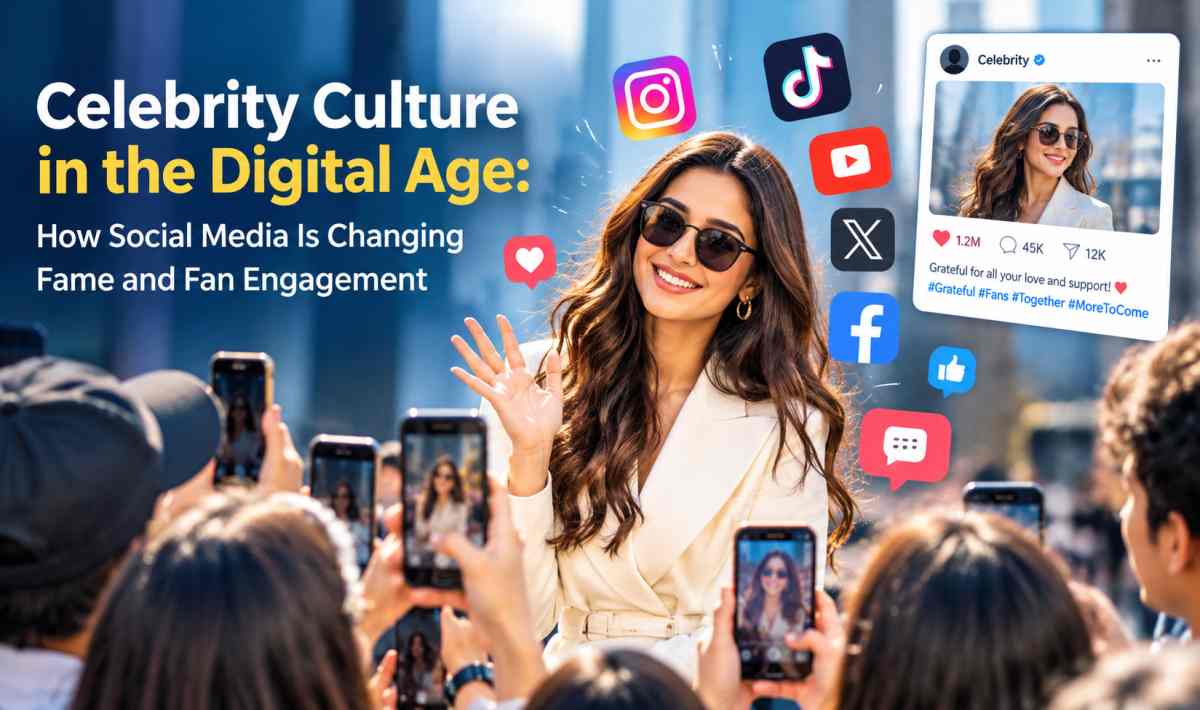
Celebrity Culture in the Digital Age: How Social Media Is Changing Fame and Fan Engagement
Introduction
Celebrity culture has changed dramatically in the digital age. In the past, people mainly followed their favorite celebrities through television, newspapers, magazines, movies, and interviews. Becoming famous often required support from major entertainment companies, film studios, record labels, or television networks. Today, social media platforms have transformed this process by allowing celebrities to communicate directly with millions of fans around the world.
Platforms such as Instagram, YouTube, TikTok, Facebook, and X have changed how celebrities build their public images, share personal experiences, promote projects, and interact with audiences. At the same time, these platforms have created opportunities for ordinary people to become famous through entertaining videos, creative content, livestreams, and online communities.
This transformation has made celebrity culture more interactive, immediate, and accessible. Fans no longer have to wait for magazine interviews or television appearances to learn about their favorite stars. They can follow daily updates, watch behind-the-scenes videos, participate in livestreams, and sometimes receive direct replies from the people they admire.
However, the growth of digital celebrity culture also brings challenges, including online harassment, privacy concerns, misinformation, unrealistic expectations, and pressure to remain constantly visible.
Understanding how social media is changing fame and fan engagement helps explain the future of entertainment, digital marketing, and online communities.
1. The Evolution of Celebrity Culture
Celebrity culture existed long before the internet. Actors, musicians, athletes, television personalities, and other public figures gained recognition through traditional media channels. Newspapers and entertainment magazines reported on their professional achievements and personal lives, while television interviews helped audiences connect with their favorite stars.
However, traditional media companies controlled much of the information reaching the public. Celebrities often depended on publicists, journalists, television producers, and entertainment agencies to communicate their messages.
Social media has significantly reduced this dependence.
Today, celebrities can publish announcements, share photographs, release music previews, and respond to fans without waiting for traditional media coverage. A single post can reach millions of people within minutes.
This direct communication has changed the relationship between celebrities and their audiences. Instead of appearing distant and inaccessible, public figures can present themselves as approachable individuals who share everyday experiences alongside professional achievements.
For example, an actor might post a photograph from a film set, while a musician could share a rehearsal video before releasing a new song. These small moments give audiences a closer look at the creative process.
As a result, modern celebrity culture combines professional visibility with personal storytelling. Fame is no longer shaped exclusively by television appearances, box-office success, or newspaper headlines. It is also influenced by online conversations, viral content, follower communities, and digital engagement.
2. How Social Media Creates New Celebrities
One of the biggest changes in digital celebrity culture is the opportunity for ordinary people to become famous without following traditional entertainment industry pathways.
In the past, aspiring actors, musicians, comedians, and performers often needed access to talent agencies, casting directors, production companies, or record labels. Although these pathways still exist, social media offers alternative routes to recognition.
A person can upload a comedy sketch, publish an original song, demonstrate a creative skill, or share an interesting story and attract a large audience.
Short-form video platforms have made this process particularly visible. A single entertaining video can spread rapidly through shares, recommendations, and reposts. Creators who consistently publish engaging content may gradually develop loyal communities and commercial opportunities.
YouTube has also enabled independent creators to build careers through tutorials, commentary, entertainment videos, podcasts, and livestreams.
This development has expanded the definition of celebrity. Online personalities, gaming streamers, beauty creators, fitness influencers, and digital comedians can now achieve recognition comparable to that of traditional entertainers within particular audiences.
However, becoming famous online is not always predictable. Viral success can happen quickly, but maintaining an audience usually requires consistent creativity, audience understanding, and adaptability.
Social media has made fame more accessible, but it has also made competition for attention more intense.
3. The Rise of Direct Fan Engagement
Fan engagement is one of the most important aspects of modern celebrity culture. Social media allows celebrities to communicate directly with audiences instead of relying entirely on interviews, public appearances, or official announcements.
Fans can comment on posts, ask questions during livestreams, participate in polls, and share their reactions to new projects.
Some celebrities respond personally to comments or repost content created by their supporters. Even a brief interaction can make a fan feel noticed and appreciated.
This creates a more participatory entertainment experience. Audiences are no longer limited to watching films, listening to music, or following sports. They can actively discuss performances, celebrate achievements, and participate in online communities surrounding their favorite public figures.
For example, a singer might ask followers to choose between two song previews. A filmmaker could share behind-the-scenes footage and invite questions about an upcoming release. An athlete might answer questions during a live broadcast.
These interactions help celebrities understand audience interests while giving fans a greater sense of involvement.
Nevertheless, digital interaction has limitations. A celebrity with millions of followers cannot personally respond to every message. Some interactions may also be managed by social media teams rather than the celebrity directly.
Even so, social media has created more opportunities for meaningful communication between public figures and their audiences.
4. Personal Branding and the Business of Being Famous
In the digital age, celebrity success involves more than professional talent. Personal branding has become an important part of building and maintaining a public image.
A celebrity’s personal brand includes their personality, communication style, professional identity, values, interests, and the way audiences perceive them.
Social media gives celebrities greater control over how they present themselves. Actors can share fitness routines, musicians can discuss their creative influences, and athletes can highlight training sessions or charitable activities.
These posts help audiences develop a broader understanding of a public figure beyond their professional work.
A strong personal brand can also create commercial opportunities. Companies often collaborate with celebrities and digital creators to promote products, launch campaigns, and reach specific audiences.
Influencer marketing has become an important strategy because audiences may respond positively to recommendations from personalities they follow and trust.
However, commercial partnerships require transparency. Sponsored posts and paid endorsements should be clearly identified, and promotional claims should be accurate.
Celebrities must also consider whether a brand aligns with their public image. An unsuitable partnership can damage credibility and reduce audience trust.
Successful personal branding therefore requires a balance between authenticity, professionalism, commercial opportunity, and consistency.
5. How Algorithms Influence Modern Fame
Social media algorithms play a major role in determining which content users discover. These systems recommend posts, videos, and accounts based on various signals, which may include viewing behavior, engagement, relevance, and user preferences.
As a result, celebrity visibility is increasingly influenced by how content performs on digital platforms.
A short video featuring an entertaining moment might reach a much larger audience than a carefully produced promotional campaign. Similarly, a trending discussion can bring renewed attention to a celebrity whose popularity has declined.
Algorithms create opportunities for emerging creators, but they can also make online visibility unpredictable.
A creator may experience a sudden increase in followers after one viral post and then struggle to maintain that attention. Established celebrities may also need to adapt their content strategies to remain visible in crowded digital environments.
This has encouraged many public figures to experiment with short videos, interactive stories, livestreams, and platform-specific content.
However, chasing algorithmic attention can create pressure to publish constantly or participate in every trend.
The most sustainable strategy is to create content that serves a clear purpose and genuinely interests the intended audience rather than relying entirely on viral moments.
6. The Growing Influence of Fan Communities
Online fan communities have become powerful forces in entertainment culture.
Fans gather on social media platforms, discussion forums, video channels, and messaging communities to celebrate their favorite celebrities. They share photographs, create fan art, discuss performances, analyze interviews, and organize campaigns around new releases.
These communities can help entertainment projects reach wider audiences.
For example, enthusiastic fans might share a movie trailer thousands of times, recommend a new album, or create videos that introduce an unfamiliar performer to new viewers.
Fan communities can also provide emotional connection and a sense of belonging. People with similar interests can communicate across countries, languages, and cultural backgrounds.
In India, online fan communities surrounding Bollywood actors, regional cinema stars, musicians, and sports personalities demonstrate how digital platforms connect audiences across geographic boundaries.
However, intense fandom can sometimes become unhealthy. Arguments between fan groups, coordinated harassment, invasive behavior, and the spread of unverified rumors can create harmful online environments.
Healthy fan engagement requires respect for personal boundaries and recognition that public figures are individuals with private lives.
Supportive communities celebrate talent without encouraging harassment or hostility toward others.
7. The Impact of Viral Trends on Celebrity Popularity
Viral content has become an important part of digital entertainment.
A memorable performance, humorous interview, dance challenge, emotional speech, or unexpected public moment can spread across social media platforms within hours.
This rapid circulation can introduce celebrities to audiences who may not previously have known their work.
Viral moments can also revive interest in older films, songs, television programs, and performances. A song released years earlier might become popular again after appearing in short videos or online challenges.
For entertainment companies, viral attention can increase streaming activity, ticket sales, audience discussions, and demand for related content.
However, viral popularity is often temporary.
A celebrity may receive millions of views during a trending moment without developing a lasting audience. Another public figure may maintain a smaller but more dedicated community over several years.
The distinction between temporary attention and sustained popularity is important.
Long-term success generally depends on professional quality, audience relationships, consistent communication, and the ability to evolve.
Celebrities can benefit from viral exposure, but lasting recognition requires more than one successful post.
8. Social Media and the Changing Entertainment Industry
Social media has changed how entertainment projects are promoted and discovered.
Movie studios once depended heavily on television advertising, newspaper coverage, posters, press conferences, and theatrical trailers. These methods remain relevant, but digital campaigns now play a central role in many entertainment launches.
Actors can share promotional videos, participate in online interviews, and engage with fans before a film’s release. Musicians can publish song previews, announce collaborations, and use livestreams to build anticipation.
Streaming platforms also benefit from social media conversations. Online discussions can introduce viewers to films, television series, documentaries, and international productions they might otherwise overlook.
Audience feedback travels quickly, giving entertainment companies immediate insight into public reactions.
However, online popularity does not always translate into commercial success. A trailer can attract enormous attention without guaranteeing ticket sales, and a viral song does not necessarily indicate long-term listening habits.
Entertainment businesses must therefore consider multiple measures of success, including audience retention, viewing figures, revenue, critical reception, and long-term cultural impact.
Social media works best as part of a broader entertainment strategy rather than a replacement for quality storytelling.
9. The Challenges of Privacy and Online Harassment
Although digital celebrity culture creates new opportunities, it also exposes public figures to serious personal challenges.
Celebrities frequently experience intense public scrutiny. Their photographs, relationships, family activities, personal opinions, and everyday decisions may become subjects of online discussion.
Social media can blur the boundary between public work and private life.
Some audiences expect celebrities to share continuous updates, while others interpret periods of silence as evidence of controversy or changing circumstances.
Online harassment is another concern. Public figures may receive abusive comments, threats, discriminatory messages, or coordinated attacks following controversial events.
False rumors and manipulated images can also spread quickly, sometimes causing reputational damage before accurate information becomes available.
These pressures can affect personal well-being and professional decision-making.
Celebrities can reduce some risks by using privacy controls, moderating comments, limiting personal disclosures, and establishing boundaries around online engagement.
Platforms also have a responsibility to provide effective reporting tools and address harmful behavior.
Fans play an equally important role by avoiding invasive questions, refusing to spread unverified information, and treating public figures with basic respect.
Being famous does not mean surrendering every aspect of personal privacy.
10. The Problem of Misinformation and Digital Manipulation
The speed of social media creates challenges when inaccurate information is presented as fact.
Unverified celebrity rumors, misleading headlines, edited videos, fake quotations, and fabricated announcements can attract substantial attention.
Artificial intelligence adds another layer of complexity. AI-generated images, synthetic voices, and deepfake videos can make it difficult for audiences to distinguish authentic material from manipulated content.
These technologies may be used for harmless entertainment, but they can also enable impersonation, fraud, reputational attacks, and unauthorized commercial endorsements.
Celebrities may need to respond publicly when misleading content spreads, while fans must learn to evaluate online information critically.
Before sharing a sensational claim, users should check whether it has been confirmed by reliable reporting or an official source.
They should also consider the original context of a photograph or video and whether the material may have been edited.
Digital literacy is becoming increasingly important in modern entertainment culture.
Responsible sharing helps protect both celebrities and audiences from the consequences of misinformation.
11. Celebrity Culture and Young Audiences
Social media has made celebrities more visible to younger audiences.
Teenagers and young adults can follow actors, musicians, athletes, streamers, and influencers throughout the day. This constant exposure can influence entertainment preferences, fashion choices, consumer behavior, and perceptions of success.
Positive celebrity influence can encourage creativity, fitness, education, charitable participation, and confidence.
For example, a public figure who discusses learning a new skill or supporting a community project may motivate followers to explore similar activities.
However, highly curated online images can also create unrealistic expectations.
Celebrities and influencers often share carefully selected photographs, professional achievements, expensive purchases, and idealized lifestyles. Audiences may compare these presentations with their own ordinary experiences without recognizing the editing, planning, financial resources, or commercial incentives behind the content.
This can contribute to dissatisfaction, social comparison, and pressure to achieve unrealistic standards.
Media literacy can help younger users understand that social media represents a selective view of reality.
Parents, educators, creators, and platforms can support healthier online habits by encouraging balanced screen time, critical thinking, and positive digital communities.
12. The Role of Authenticity in Modern Fan Engagement
Authenticity has become an important consideration in celebrity culture.
Audiences often appreciate public figures who communicate naturally, discuss meaningful experiences, acknowledge mistakes, and show genuine enthusiasm for their work.
Behind-the-scenes footage, informal conversations, personal creative projects, and thoughtful responses can make celebrities seem more relatable.
However, authenticity does not require celebrities to reveal every detail of their lives.
Public figures can be sincere while maintaining firm boundaries around relationships, family members, health, and other private matters.
Audiences should also recognize that social media content is often planned or professionally managed. A casual-looking video may still be part of a carefully designed communication strategy.
The goal is not to assume that every post is completely spontaneous, but to build relationships based on honesty, consistency, and reasonable expectations.
Celebrities who communicate responsibly and avoid misleading audiences are better positioned to maintain credibility over time.
13. The Future of Celebrity Culture in the Digital Age
The relationship between celebrities and fans will continue to evolve as digital technology advances.
Artificial intelligence may help creators produce promotional content, translate interviews, personalize audience experiences, and analyze engagement patterns.
Virtual events and immersive digital environments could allow fans to participate in interactive entertainment experiences from different parts of the world.
Livestreaming may continue to offer opportunities for real-time conversations, while subscription communities could provide exclusive content for dedicated supporters.
At the same time, the industry will need to address questions about digital identity, intellectual property, consent, privacy, and the responsible use of AI-generated material.
Another important development is the growing importance of community quality rather than follower counts alone.
Celebrities and creators may increasingly focus on meaningful engagement, audience loyalty, and sustainable relationships instead of pursuing maximum visibility at any cost.
The future of fame will likely combine traditional measures of success with digital influence.
Acting ability, musical talent, athletic achievement, and creative originality will remain valuable, while communication skills and digital strategy will continue to influence public recognition.
Ultimately, technology will change how celebrities connect with audiences, but trust and meaningful entertainment will remain central to lasting success.
Conclusion
Celebrity culture in the digital age is more interactive, accessible, and complex than ever before.
Social media has changed how people become famous, how celebrities communicate with fans, and how entertainment reaches global audiences. Independent creators can build successful careers, established stars can develop stronger digital communities, and fans can participate more actively in the entertainment experience.
At the same time, algorithmic pressure, privacy concerns, misinformation, online harassment, and unrealistic expectations present important challenges.
The most successful approach to modern celebrity culture combines creative quality with responsible communication. Celebrities benefit from authentic engagement, while fans benefit from respecting boundaries and evaluating online information carefully.
As social media platforms and digital technologies continue to evolve, celebrity culture will keep changing. However, one principle will remain important: lasting fame depends on more than visibility. It grows through talent, trust, meaningful connections, and the ability to create experiences that audiences value.
For entertainment professionals, digital creators, and fans alike, understanding these changes is essential to navigating the future of fame and fan engagement.
Frequently Asked Questions (FAQs)
1. How has social media changed celebrity culture?
Social media allows celebrities to communicate directly with fans, promote their work, share selected personal experiences, and build communities without depending entirely on traditional media outlets.
2. How do celebrities engage with fans online?
Celebrities engage through comments, livestreams, stories, Q&A sessions, behind-the-scenes videos, polls, and online fan communities. These methods encourage two-way communication and audience participation.
3. Can ordinary people become celebrities through social media?
Yes. Creators can gain recognition by publishing entertaining, educational, or original content on platforms such as YouTube, Instagram, and TikTok. However, sustained success usually requires consistency, creativity, and audience trust.
4. What are the disadvantages of digital celebrity culture?
Major challenges include online harassment, privacy concerns, misinformation, pressure to maintain visibility, unrealistic lifestyle comparisons, and the unpredictable nature of viral popularity.
5. What is the future of celebrity culture?
The future will likely involve more interactive experiences, AI-assisted content creation, digital communities, livestreaming, and personalized fan engagement. Trust, creativity, and responsible communication will remain important.
6. Why is fan engagement important for celebrities?
Fan engagement helps celebrities build loyal audiences, understand public interests, promote projects, strengthen their personal brands, and create lasting relationships with supporters.
7. How does social media influence the entertainment industry?
Social media supports content discovery, digital marketing, audience feedback, creator partnerships, and global promotion. It also allows entertainment companies to respond more quickly to changing audience interests.